
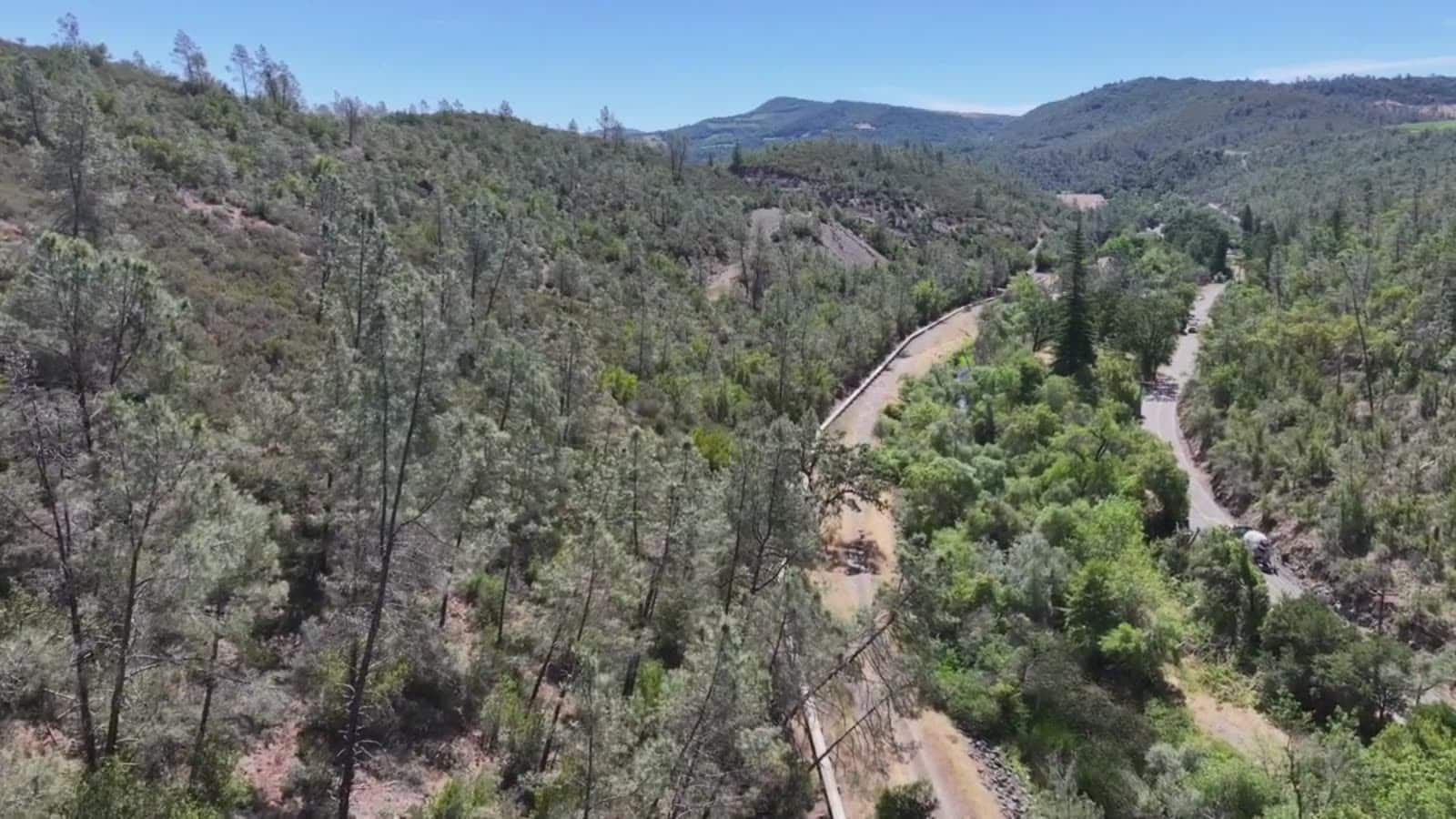
A county that prepares together.
In 2025, Napa Communities Firewise Foundation turned public investments into neighborhood-level readiness serving over 50,000 residents and built the infrastructure to keep that work going.
Download the PDF summaryThe year in four numbers
Every figure below covers the calendar year, January 1 through December 31, 2025.
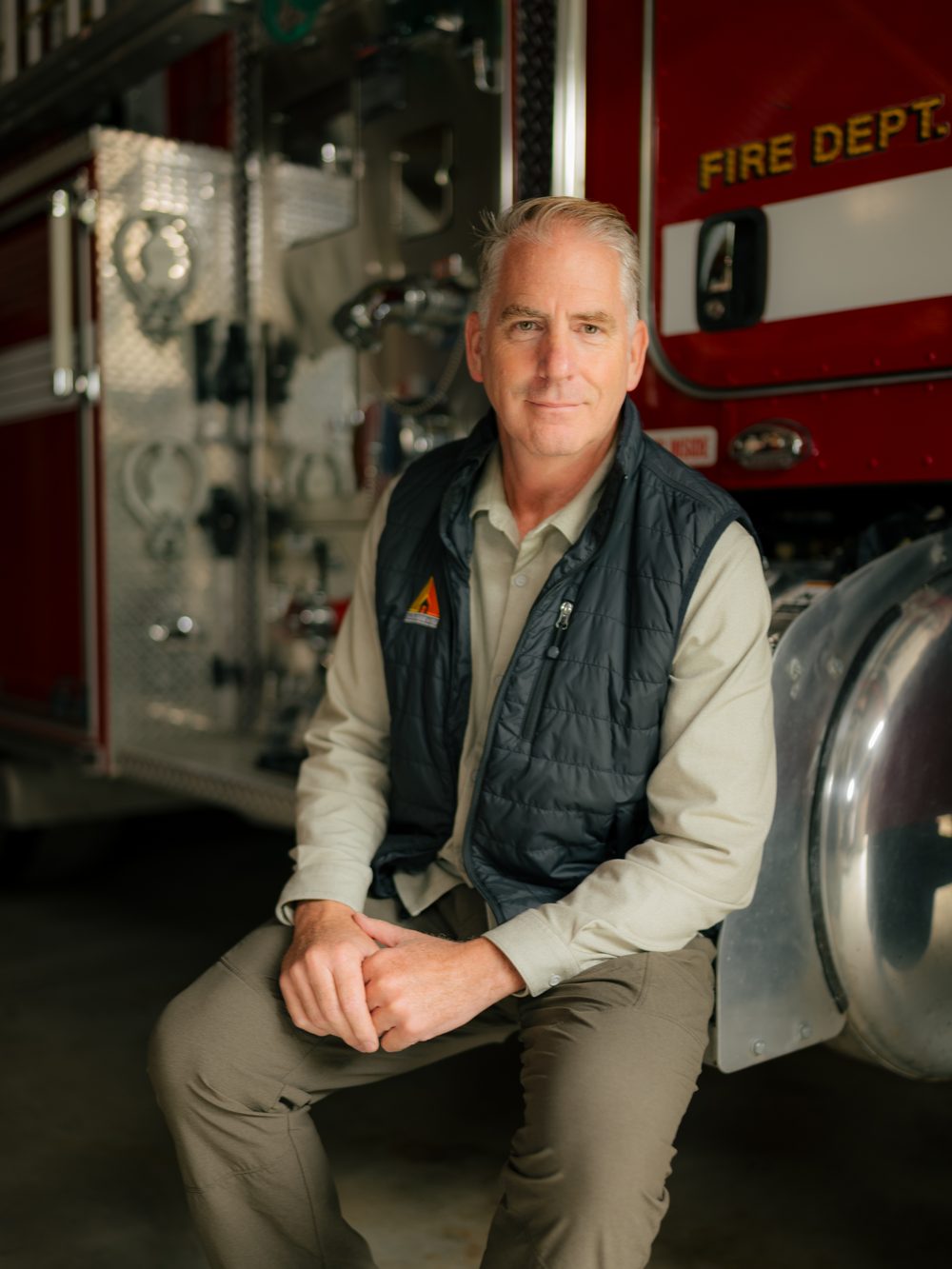
Joseph Nordlinger, Chief Executive Officer
Resilience is a system, not a project.
Over the last two fire seasons, Napa County Fire and CAL FIRE have put our pre-fire work to the test. In 2024, it helped crews keep the Toll and Long Fires small. In August 2025, on the 6,819-acre Pickett Fire, treated fuels, maintained dozer lines, and reopened access roads became anchor points for crews — and, as Sheriff Oscar Ortiz has said, Angwin did not have to be evacuated because of that work. The strategy is working exactly as it was designed to. Our task now is to protect that progress and keep moving forward.
No single project produced those outcomes. They came from fuel breaks, improved roads, mapped assets, Fire Safe Councils, and homeowners’ cleared hundred feet, all working at once and in alignment. Creating alignment across partners, agencies, and residents is built into the foundation of Napa Firewise, understanding that no one agency can do this alone and our collective efforts make us stronger.
We have been at this work in earnest since 2020, and the pieces are coming together. In 2025 we secured $10.7 million in new awards while managing $26.7 million across 12 active grants. As of October 2026, our Fire Safe Council network has grown to 26. In its first year, the Valley Stewards Initiative integrated XX private properties into Tablet Command — eight times its target — putting 233 miles of access roads and 473 water sources in front of responders for the first time. We returned good fire to 67 acres on Howell Mountain, and we kicked off 2026 celebrating the completion of the 11-mile Hogback Ridge fuel break along the Napa–Sonoma border.
Our Fire Safe Council network grew again in 2025
Councils, recognized communities, and the plans behind them are the delivery system for everything else in this report. Every new one is a neighborhood that can organize, apply, and act without waiting for us.
Fire Safe Council growth, 2020–2026
- 152020
- 222022
- 222024
- 262026
From 15 councils in 2020 to 26 today — including three added since this report’s close. 17 councils have formed since 2017, and the network has never been larger.
We turn applications into acres
Grant writing is not overhead here — it is the program. These three numbers show what our team put into the pipeline, what came out, and what we administered along the way.
Of applications funded
Our team wrote 12 grant applications in 2025, seeking $35.1 million, and 6 were awarded — competitive federal and state money, not easy wins.
Hover for detailWhat that means
Winning half of what we apply for, on applications of this size, tells a funder their dollars get matched, not stranded. We aim high on purpose: every application we write is a project Napa County needs.
Of expenses are direct costs
From 2021 through 2025, nearly 90 cents of every dollar we spent went to direct costs — $40.52 million in five years.
Hover for detailWhat that means
The remaining 10.1% is indirect cost: the infrastructure that keeps public money flowing, including grants management, compliance, people, and technology.
Volunteer hours logged in 2025
Hours residents logged working on their own homes and in their communities to be more prepared for wildfire.
Hover for detailWhat that means
Since 2020, residents have logged 28,174 hours of preparedness work. Funders read that two ways: as match against public awards, and as proof the model keeps working street by street — without us in the room.
Public funding provides the scale. Philanthropy provides the flexibility.
From 2021 through 2025, Napa Firewise recorded $49.4 million in revenue. Government grants — $44.3 million, or 89.8% — built the scale of this work. Philanthropy, $5.0 million or 10.2%, is what lets us move before a grant cycle does.
- Government funding · $44.31M Grants released from restriction — including CAL FIRE, the County of Napa, FEMA, and the USDA Forest Service 89.8%
- Philanthropy · $5.03M Individuals, foundations, and businesses — the flexible dollars that move before a grant cycle does 10.2%
Why 2021 looks different. Total revenue that year was $6.72 million — just over half of 2025’s — so philanthropy made up a larger share of a smaller budget. Our first major CAL FIRE grant was awarded in 2021 and carried out from 2022 through 2025, and because grant revenue is recognized as the work is done, government funding climbs from 2022 on.
Some of the financial data in this report is drawn from our audited financial statements, as attested to by our independent certified public accountants, as required by the California Nonprofit Integrity Act. Our audited statements are available for public inspection at our Napa office — contact us to arrange a time. As a 501(c)(3) public charity (EIN 26-0147748), our recent IRS Form 990 filings are available on the IRS website.
What the work looks like up close
Four stories from 2025: a ridgeline fuel break, private land mapped for firefighters, good fire returned to the forest — and the August wildfire that put years of this work to the test.
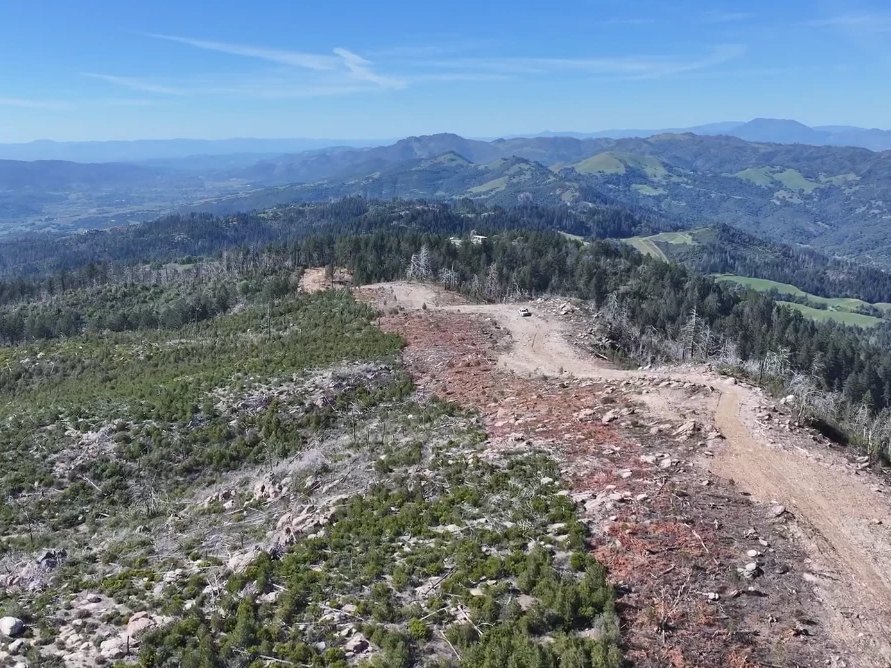
A safer place to stop a fire
“Projects like Hogback Ridge give firefighters a fighting chance.” — JC Greenberg, CAL FIRE
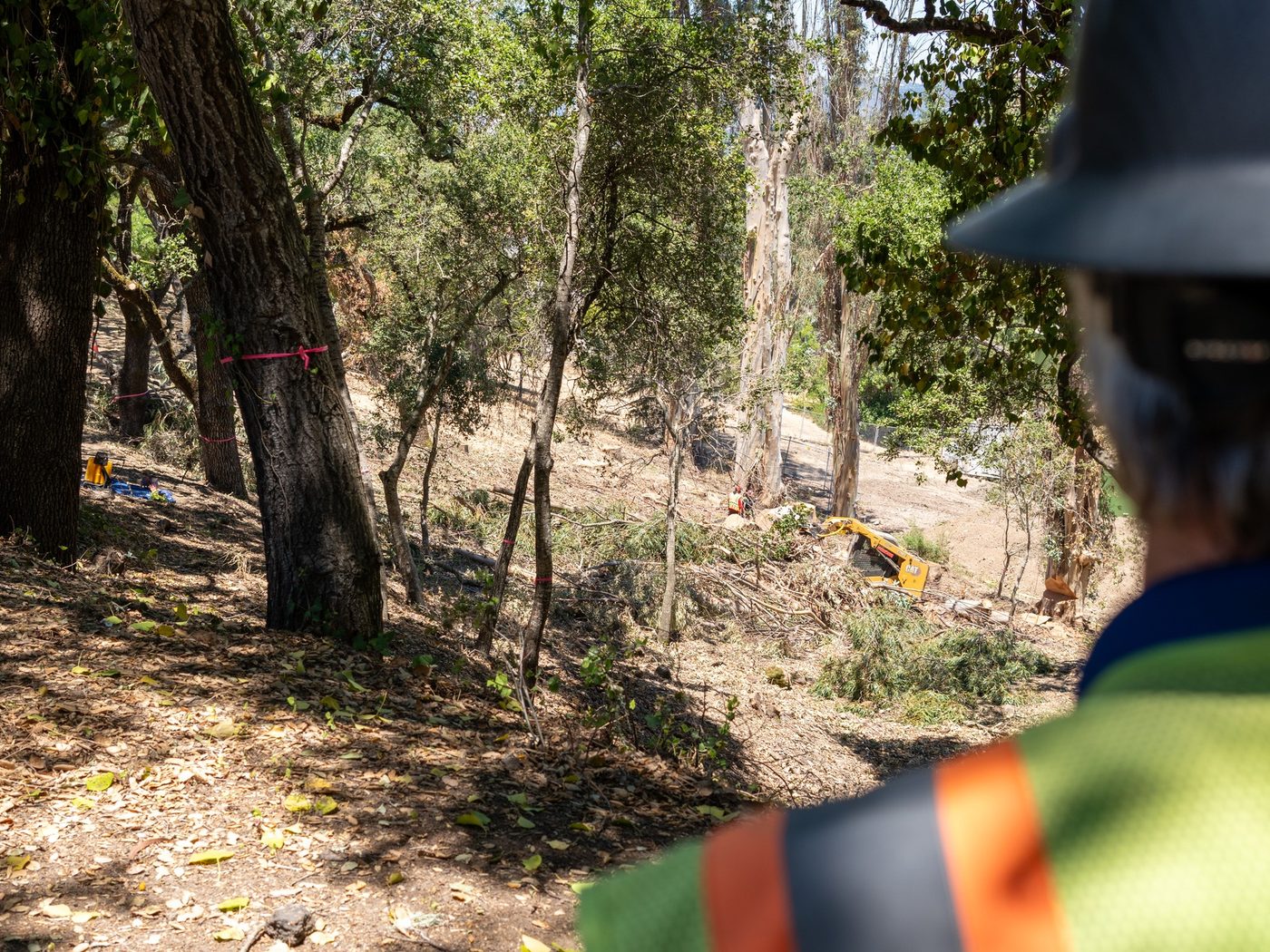
Hogback Ridge runs along the Napa–Sonoma border above the Mt. Veeder communities — a natural containment line that a century of fire suppression had choked with brush and ladder fuels. With a $1.5 million USDA Forest Service award, crews opened 11 miles of shaded fuel break, completed in 2026 and designed around native vegetation and wildlife habitat — a place to make a stand above the valley.
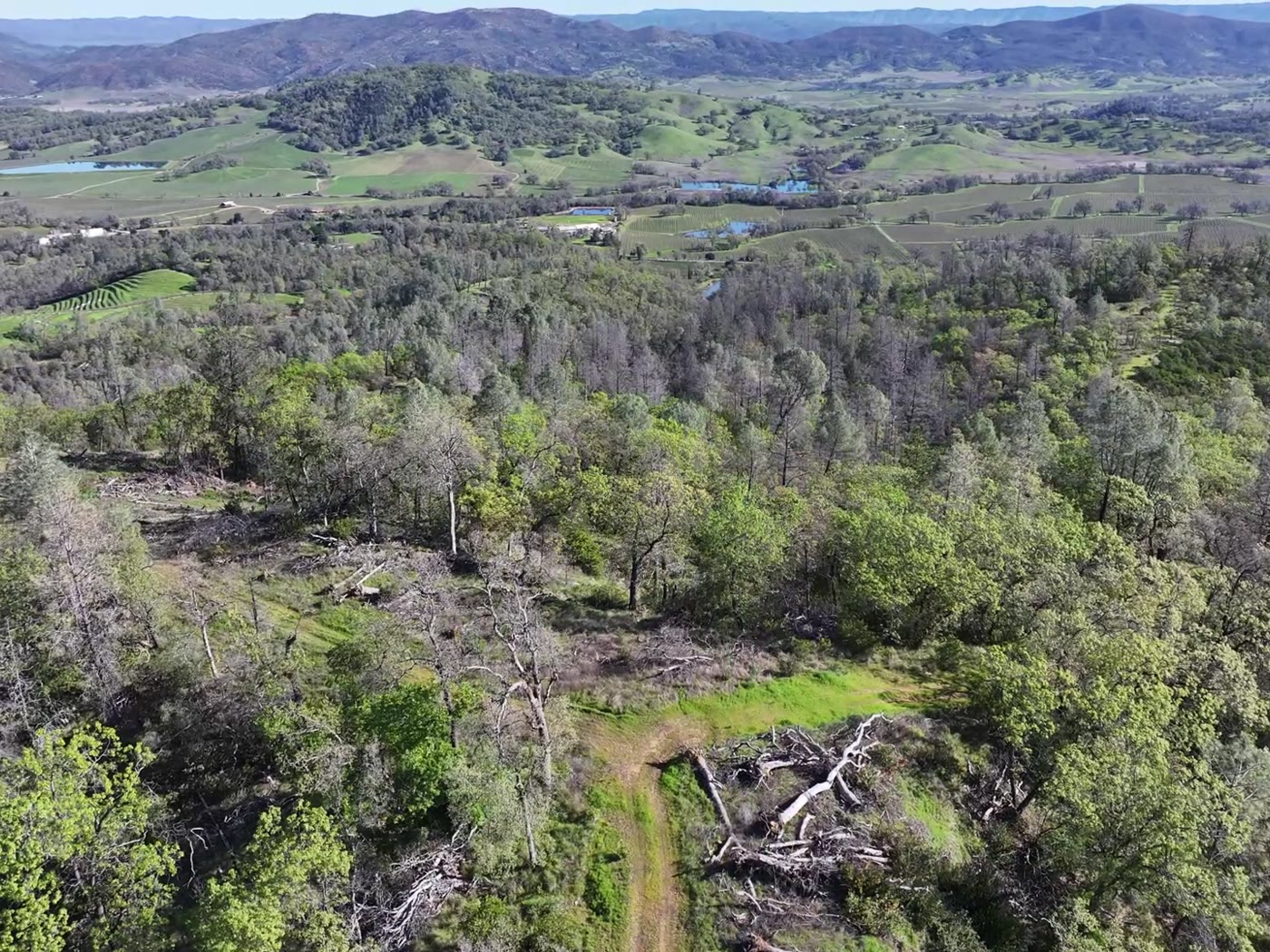
On the map before the smoke rises
“The most important work happens long before the smoke rises.” — from the Valley Stewards Year One briefing
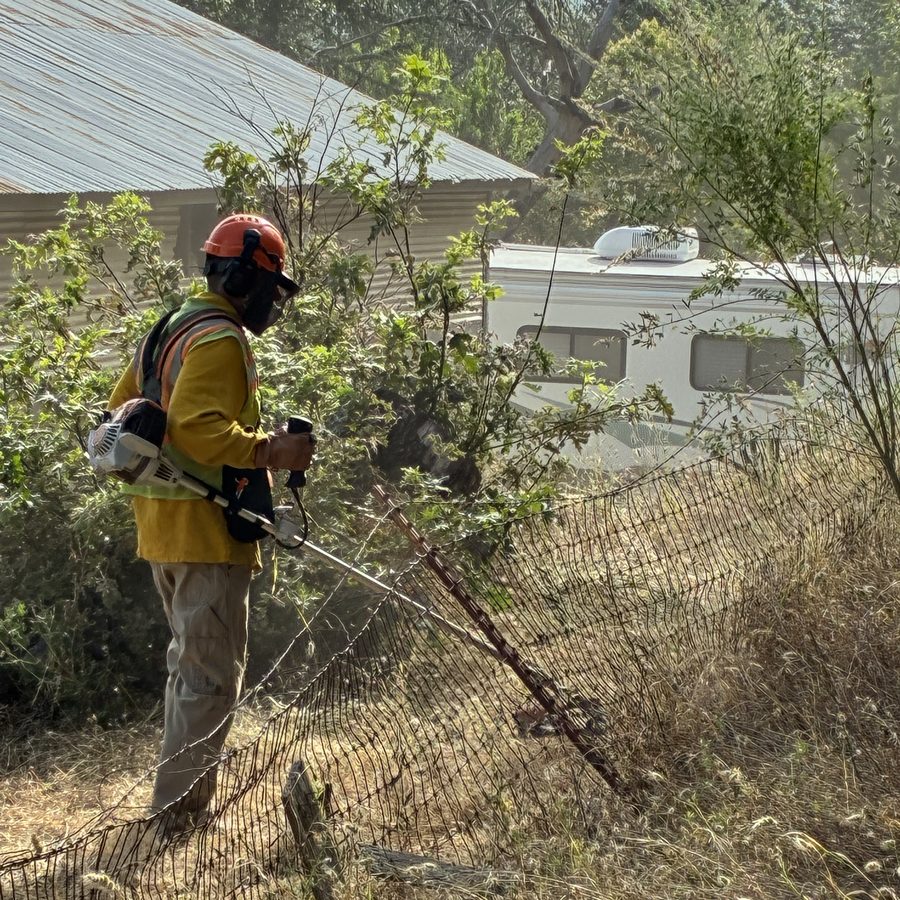
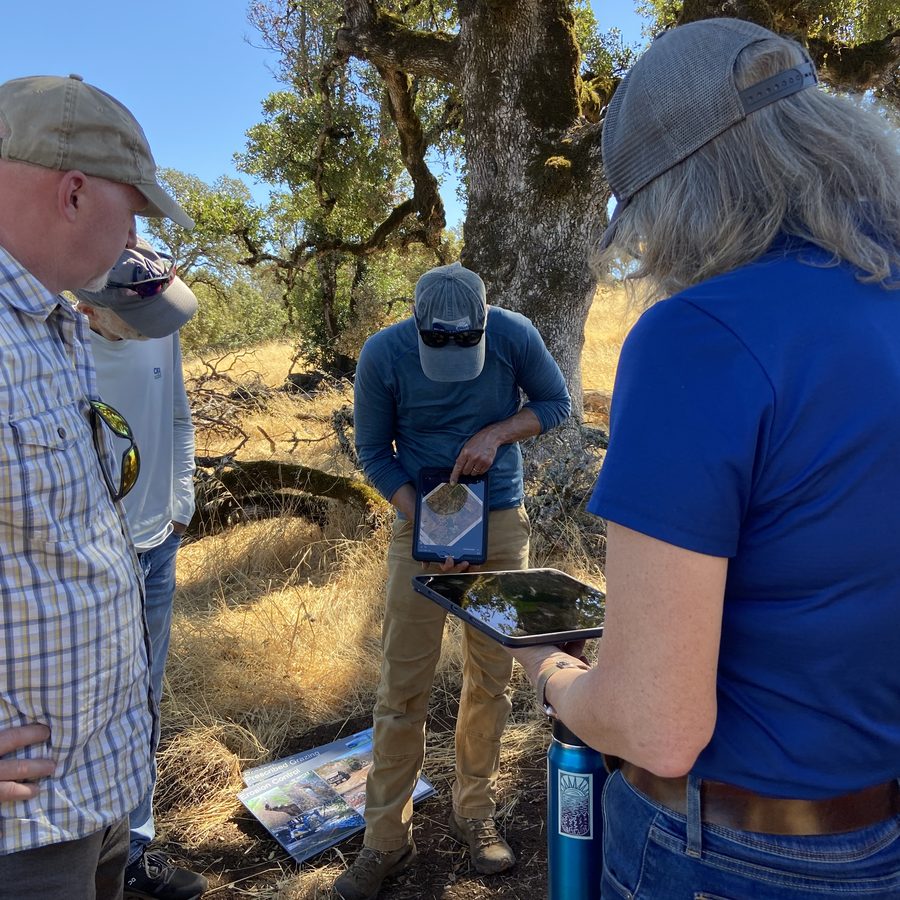
What crews know about the land decides what they can do. In Year One, the Valley Stewards Initiative put private land on the operational map for the first time: 64 Enhanced Resilience Sites in Tablet Command — against a target of eight — carrying 4,100 acres of fuel reduction, 233 miles of fire roads, and 473 water sources. And all ten landowners who completed insurance renewals secured better terms.
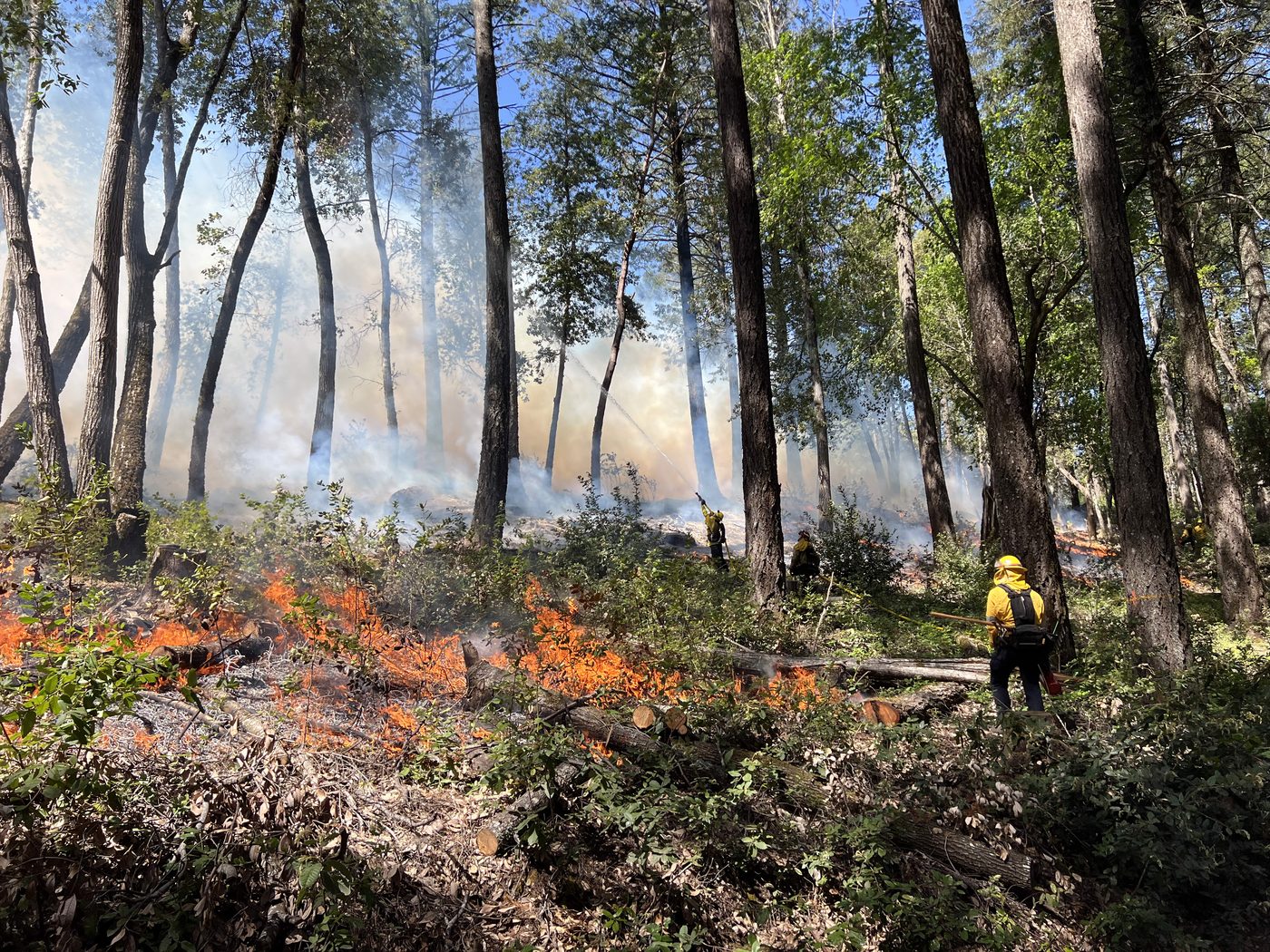
Good fire returns to Howell Mountain
The forest above Angwin hasn’t seen fire in nearly a century. This project is changing that — on purpose, and on our terms.
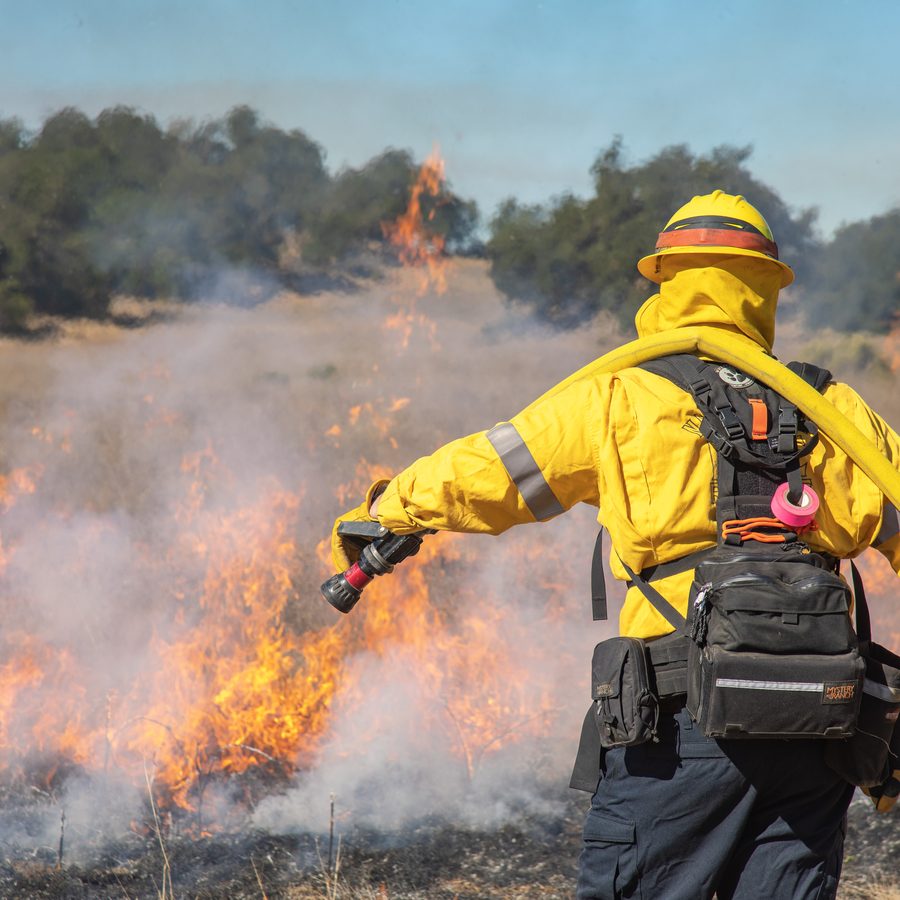
In December 2025, crews brought low-intensity fire back to 67 acres of Pacific Union College’s forest, after 200+ hours of preparation clearing storm-downed trees and ladder fuels. The burn ties earlier and planned units into the Howell Mountain shaded fuel break protecting Angwin — a deliberate December burn instead of the September fire nobody chooses.
When the fire came, the work held
This is what “pre-fire” looks like when it works.
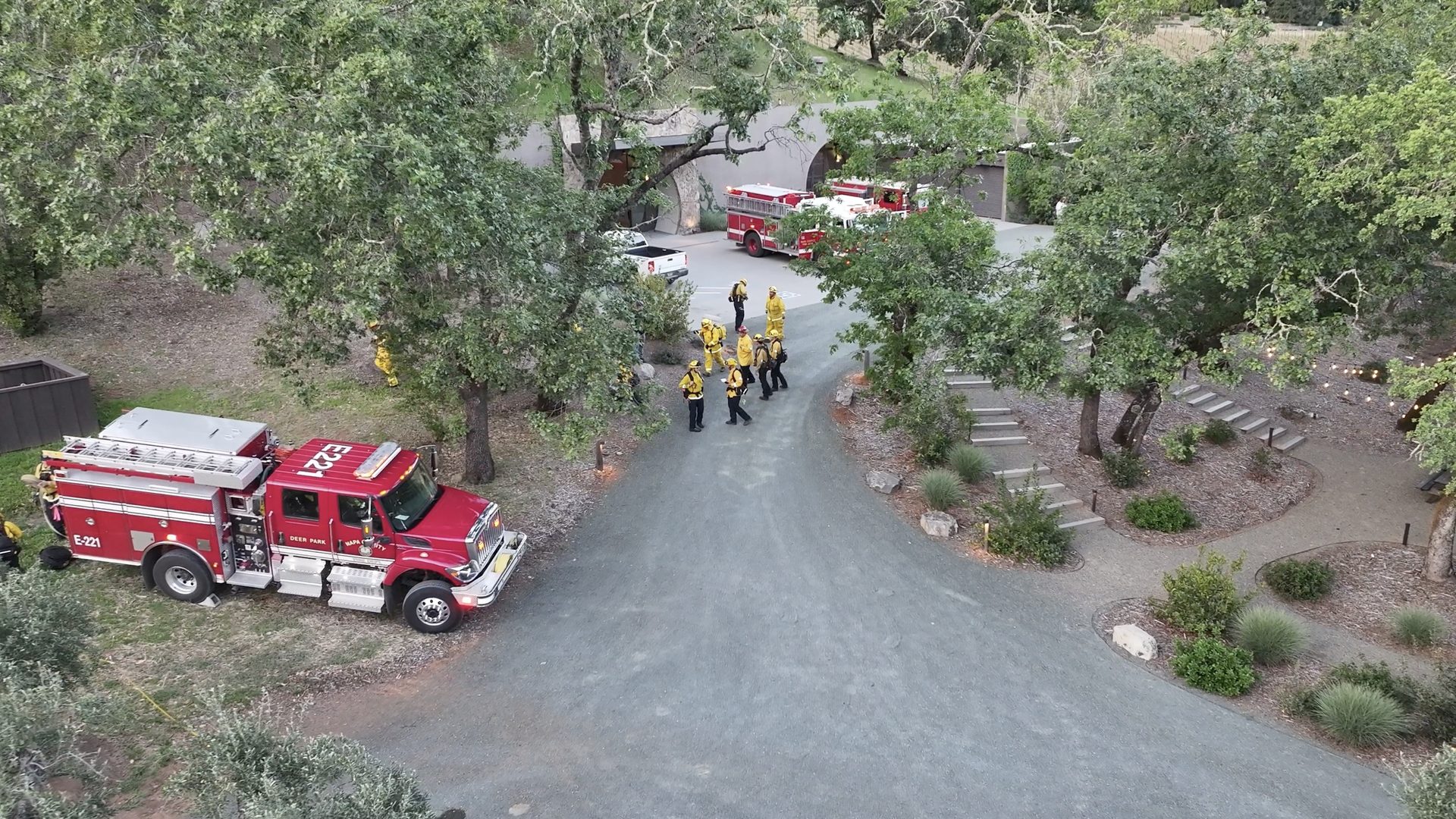
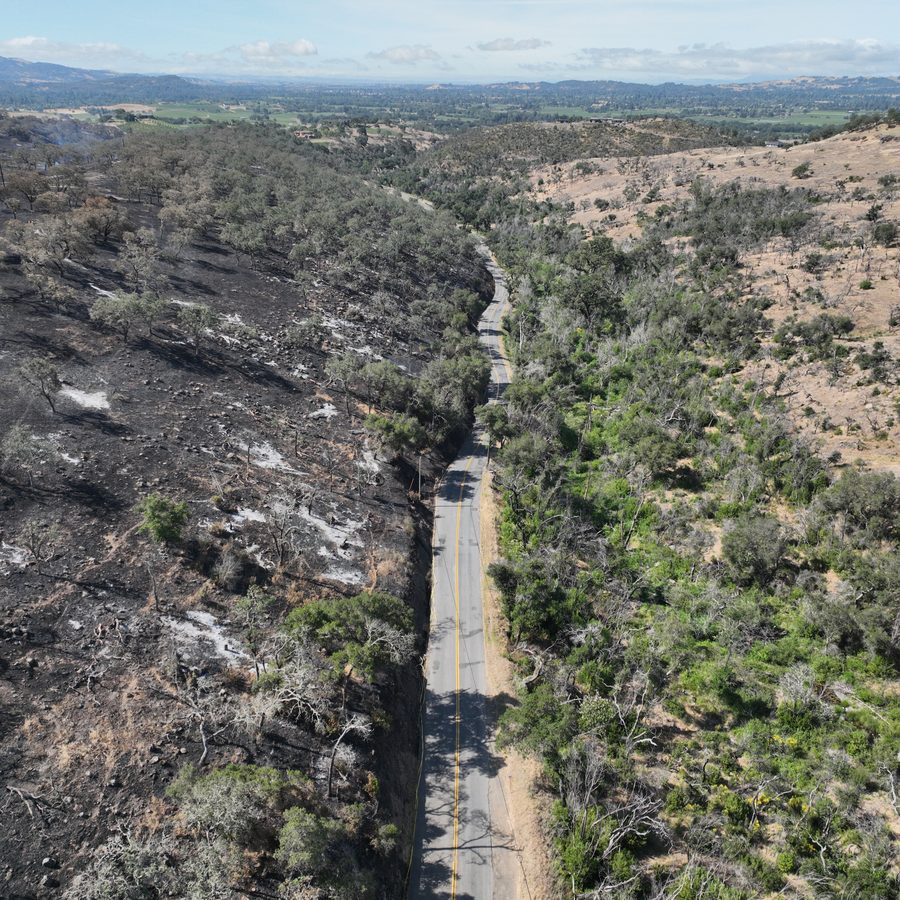
When the Pickett Fire hit in August 2025, pre-treated landscapes, maintained dozer lines, and restored access corridors became anchor and insertion points for crews around Dutch Henry and Ink Grade. Roads restored with Napa Valley Vintners funding — the largest private gift in our history — let firefighters move ahead of the flames. In two cases, incident officials reported, pre-fire work stopped the fire in its tracks. See KQED’s coverage and the CAL FIRE chiefs’ debrief.
Swipe or use the arrows to move through the stories.
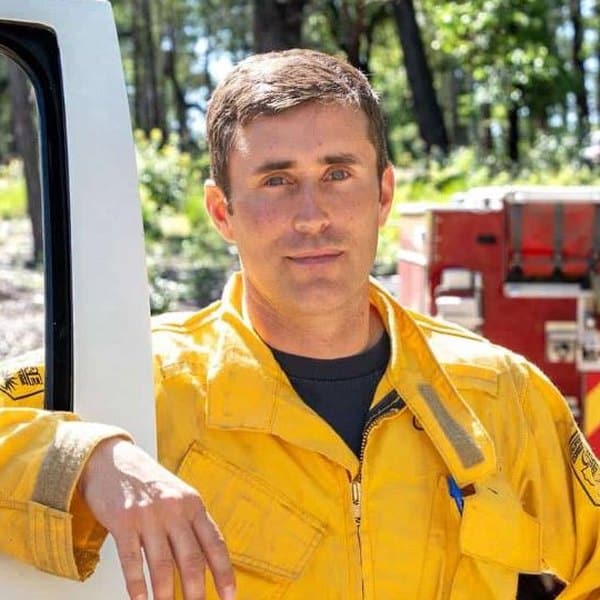
Napa Firewise is a role model for how this work gets done. They have built the processes that let us plan, fund, and complete projects at scale — and when that work is already on the ground, our crews have options for suppression activities and containment opportunities.— Ryan Isham, Deputy Chief of Community Risk Reduction
CAL FIRE Sonoma-Lake-Napa Unit
Turning public awards into on-the-ground work
From 2021 through 2025, Napa Firewise deployed $45.09 million. Nearly nine of every ten dollars — $40.52 million, or 89.9% — went directly to land resilience projects and wildfire preparedness initiatives.
The same discipline reaches the household. Our defensible space cost share, funded by a CAL FIRE Wildfire Preparedness Grant, has achieved a 2.7-to-1 homeowner match: every program dollar unlocks $2.70 of private investment in the first 100 feet around a home — the ground where insurers, fire marshals, and fire scientists agree the outcome is decided.
Built to manage a larger program
Annual revenue grew from $6.72 million in 2021 to $11.89 million in 2025, and annual expenditures doubled, from $5.09 million to $10.22 million. The swings in between reflect the timing of grant-funded project activity and revenue recognition. In 2023, a capacity grant from Napa County invested in the staff and systems behind that growth.
-
Annual revenue $6.72M → $11.89M
Up 77% since 2021, peaking at $12.07M in 2023
-
Annual expenditures $5.09M → $10.22M
Doubled since 2021; 2023 was the largest spending year at $12.56M
-
Staff, as of December 31 4 → 18
More than four times the 2021 team, with 21 on staff today — while core costs held at 10.1%
-
Land resilience $4.38M → $6.65M
Up 52% since 2021 — $32.74M across five years
Why we read results over five years. Single years ranged from a $0.71 million deficit in 2022 to a $2.19 million surplus in 2024, as grant-funded work and reimbursements landed in different years. For a grant-funded organization, the multi-year record tells the truer story.
Our board of directors
Volunteer directors who set strategy, approve the budget, and hold this organization accountable.
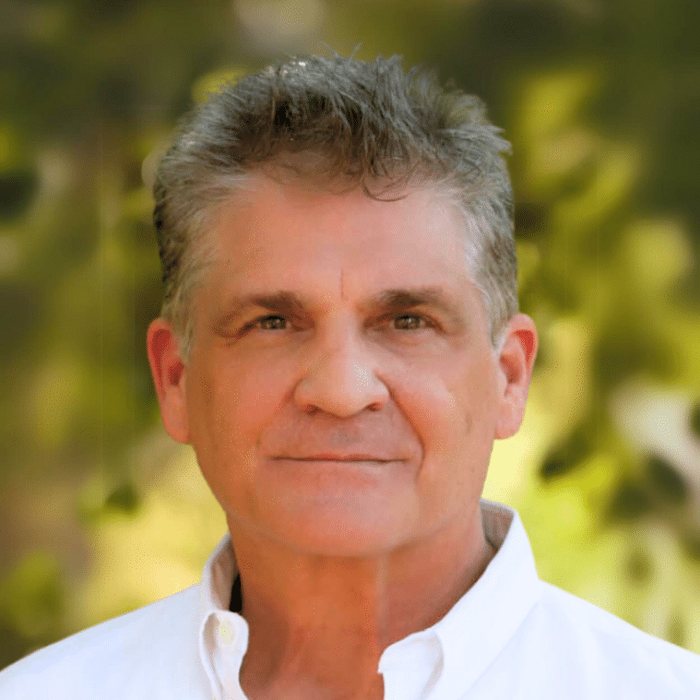
Thompson Chair
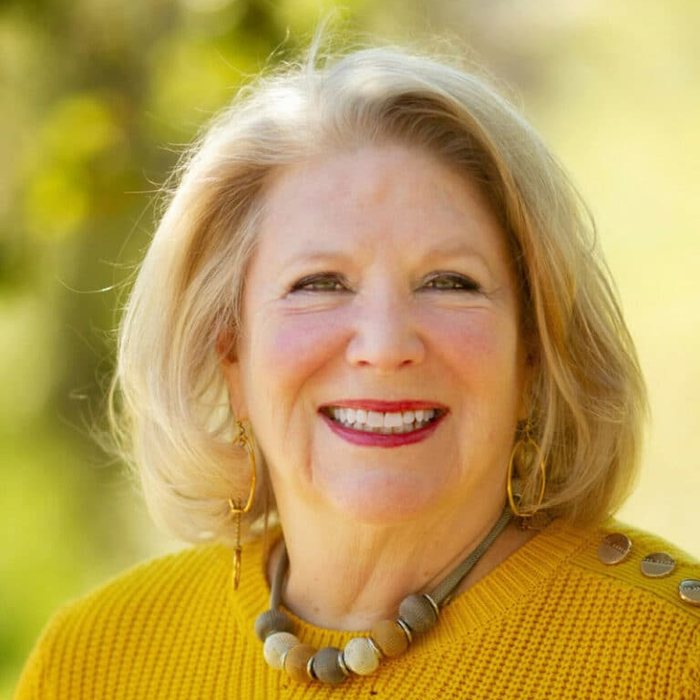
Cole Vice Chair

Jones Secretary
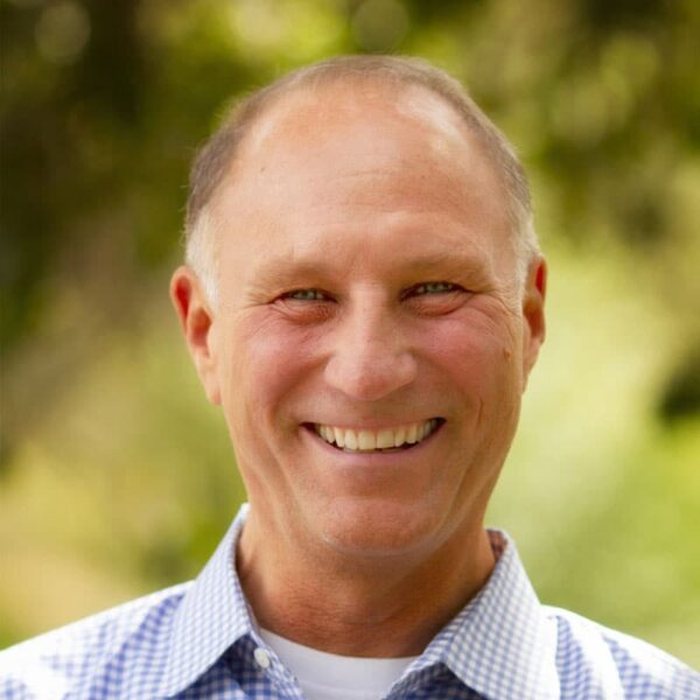
Heiselmann Treasurer

Coleman Director
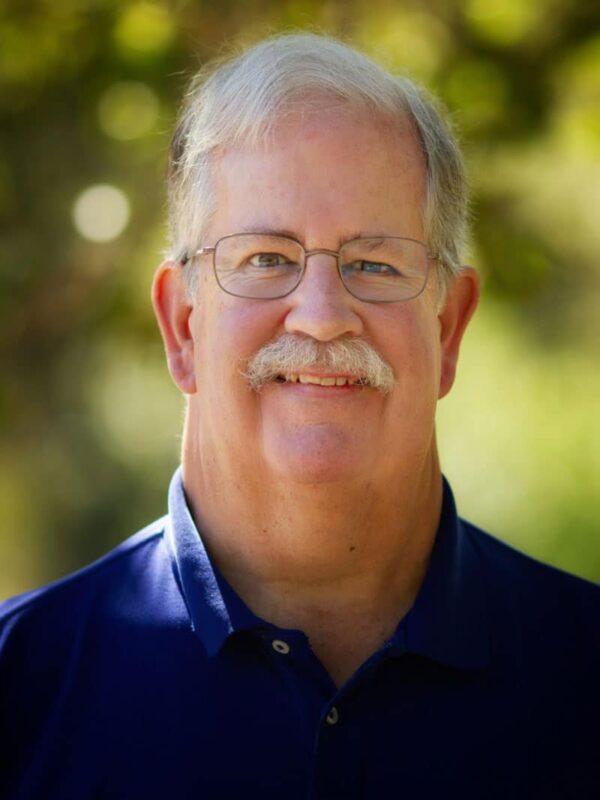
Warner Director

Chouteau Director

Rosendahl Director
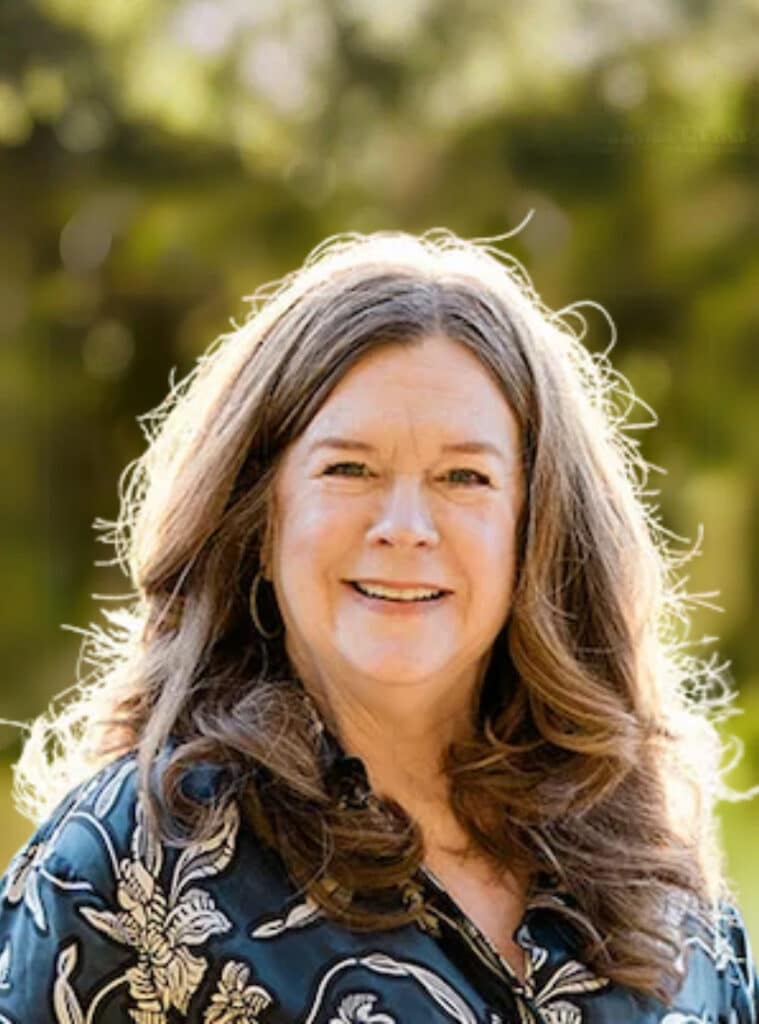
Bergman Director
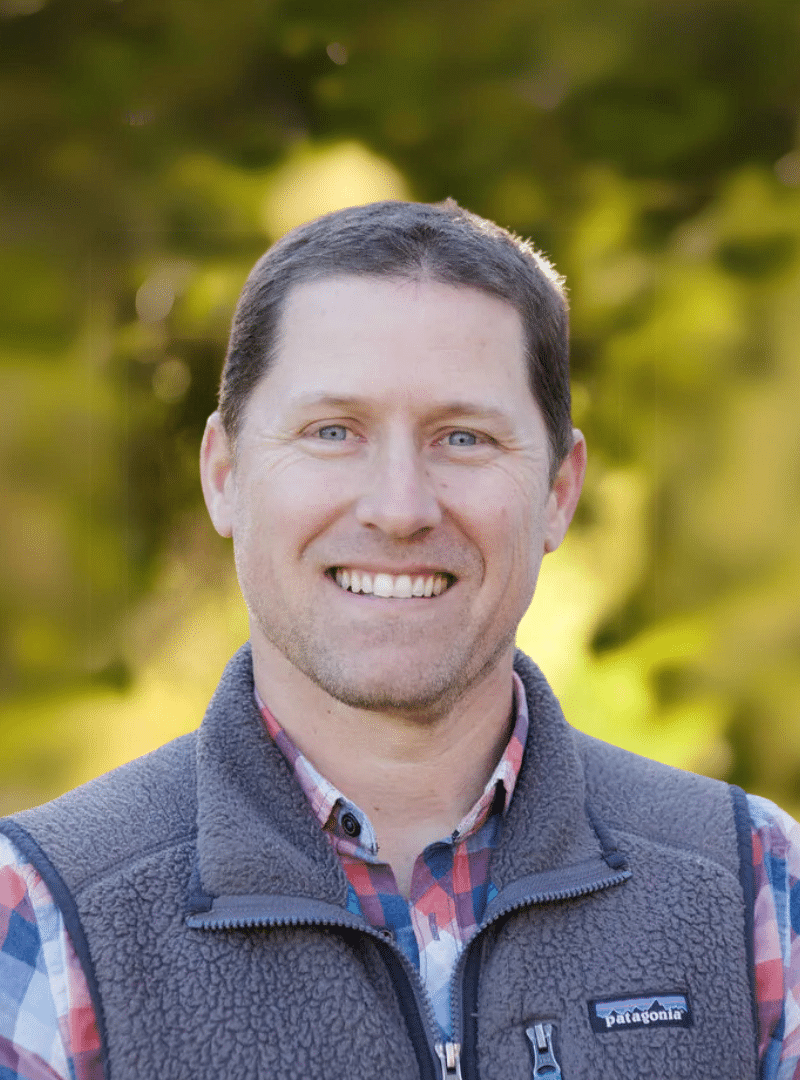
Viader Director
Board Fire Liaisons
- J.C. GreenbergNapa County Fire Department, Volunteer Fire Departments, and CAL FIRE (Operations)
- Mike WinkCAL FIRE, Staff Chief of Wildfire Risk Reduction, Office of the State Fire Marshal
- Ryan IshamCAL FIRE, Deputy Chief of Community Risk Reduction, Sonoma-Lake-Napa Unit
- Clifford CampbellAmerican Canyon Fire Protection District, Acting Fire Chief
- Zach CurrenCity of Napa Fire, Fire Chief
- Jed MatchamCity of Calistoga, Fire Chief
None of this is done alone
The key grant funders whose investment made this year’s work possible.

Napa Firewise is rooted in collaboration, and we are proud to work alongside the Napa County Resource Conservation District, Napa Prescribed Burn Association, Land Trust of Napa County, USDA Natural Resources Conservation Service, Napa Valley Grapegrowers, Sonoma Ecology Center, Pacific Union College, Napa Chamber Coalition, our local fire authorities, and many others.
With gratitude
-
Napa County Board of Supervisors
For trusting us to carry out this work on behalf of every community in the county.
-
St. Helena Chamber of Commerce
For recognizing Napa Firewise as its 2025 Non-Profit of the Year.
-
Fire Safe Council leads
Who volunteer their time to lead their communities and build a more fire-adapted Napa County.
-
Our residents
Who stood on the line in 2025 and gave to support our initiatives and their own Fire Safe Councils.
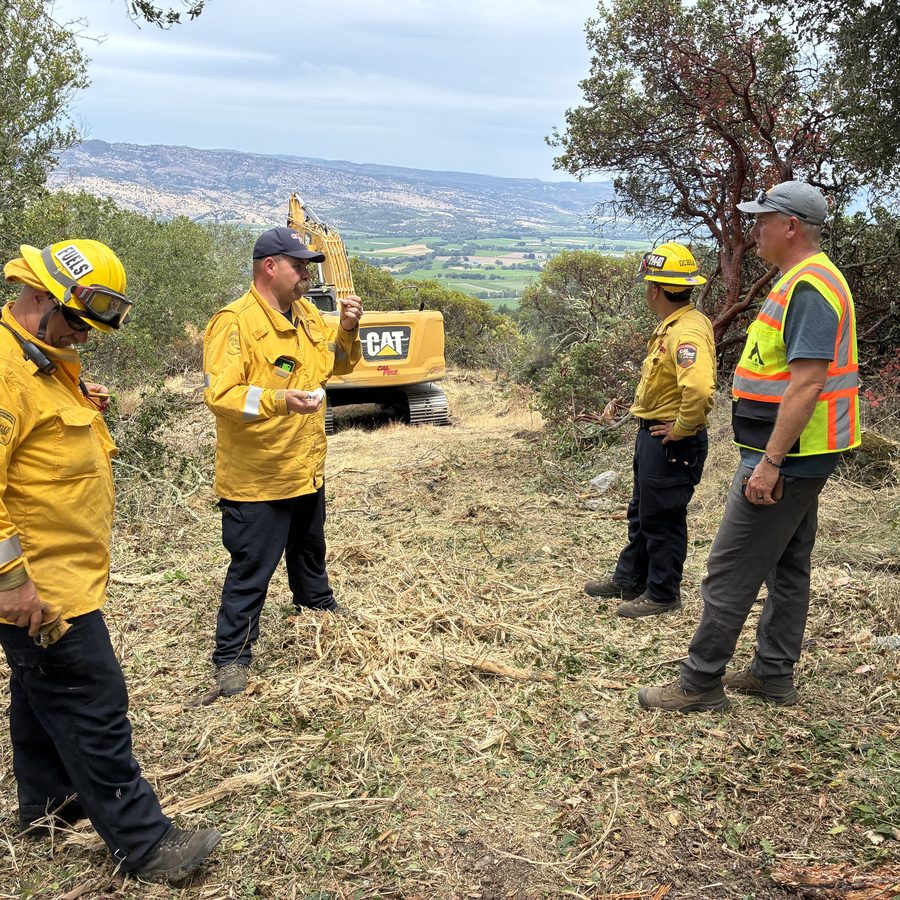
2025, eight frames
Three ways to stand on the line with us
The 2026 fire season is closing, and the work for 2027 starts now. Public dollars fund the projects. Philanthropy funds the speed — the application written before the deadline, the council started before the season, the cost share a family can’t cover alone.
Give
Philanthropy is the most flexible dollar we have. It lets us move before a grant cycle does — scoping the project, writing the application, fronting the cost share — and every one of those steps unlocks public and private funding well beyond the gift itself. Year-end gifts help kickstart our 2027 season.
Give before December 31Fund a project in your neighborhood
Each of our 26 Fire Safe Councils has its own projects — the roadside, the ridgeline, the evacuation route your neighbors drive. Give directly to the council where you live, and your gift funds work you can see from your own street.
Find your council and giveStart on your street
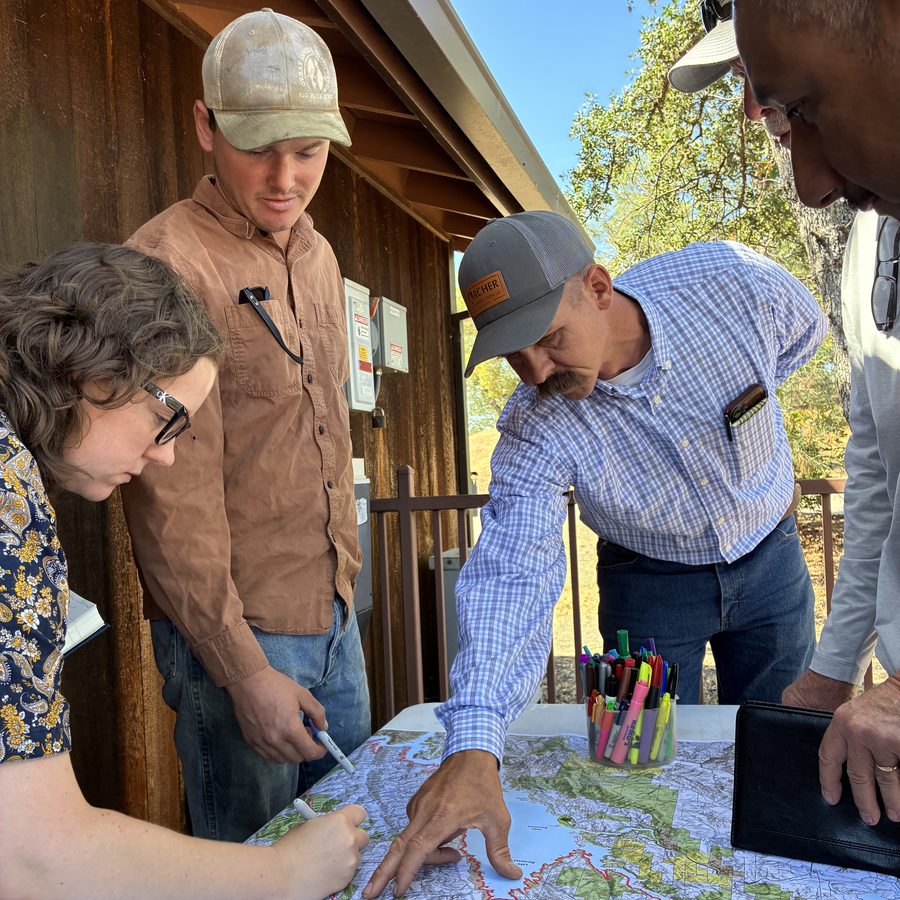
No council or Firewise community nearby yet? We help residents organize, apply for Firewise USA recognition, and build a Community Wildfire Protection Plan — 17 complete, and 11 more underway.
Learn about Firewise communitiesTerms in this report
The words wildfire professionals use every day, in plain language. Underlined terms throughout the report link here.
- CAL FIRE
- The California Department of Forestry and Fire Protection: the state agency that leads wildfire response and prevention in California, and one of our largest funders.
- Community Wildfire Protection Plan (CWPP)
- A plan written with residents, fire agencies, and land managers that maps a community’s wildfire risk and sets priorities for reducing it. Having one helps a community compete for state and federal funding.
- A program that splits the cost of preparedness work between a grant and the property owner, so households can take on work they could not afford alone.
- Defensible space
- The area around a home that is cleared and maintained to slow a fire and give firefighters room to work. California law requires up to 100 feet.
- Direct and indirect costs
- Direct costs are spent on the work itself: projects, crews, and programs. Indirect costs keep the organization running: grants management, compliance, people, and technology.
- Enhanced Resilience Site
- A private property in the Valley Stewards Initiative whose fuel reduction, roads, gates, and water sources have been documented and loaded into the maps firefighters use.
- Fire Safe Council
- A resident-led group that organizes wildfire preparedness where its members live: planning projects, applying for funding, and getting neighbors ready. Napa Firewise supports 26 across the county.
- Firewise USA
- A national recognition program of the National Fire Protection Association. Communities earn it by completing a risk assessment and an action plan, then doing preparedness work every year.
- Fuel break and shaded fuel break
- A strip of land where brush, small trees, and dead material are thinned so a fire slows and drops to the ground, giving firefighters a safer place to make a stand. A shaded fuel break keeps the larger trees, whose canopy shades the ground and slows regrowth.
- Good fire (prescribed fire)
- Fire set on purpose, in planned weather conditions and with crews on site, to clear built-up fuel and restore forests that evolved with regular, low-intensity fire.
- Ladder fuels
- Brush, small trees, and low branches that let a fire climb from the ground into the tree canopy, where it spreads fastest and is hardest to stop.
- Land resilience
- Work that helps land withstand wildfire: fuel reduction, fuel breaks, forest health, and good fire.
- Tablet Command
- Incident-management software fire agencies use in the field to see maps, resources, and site information during an emergency.
- Valley Stewards Initiative
- Our program with private landowners that turns their investment in fire resilience into information firefighters can use.