
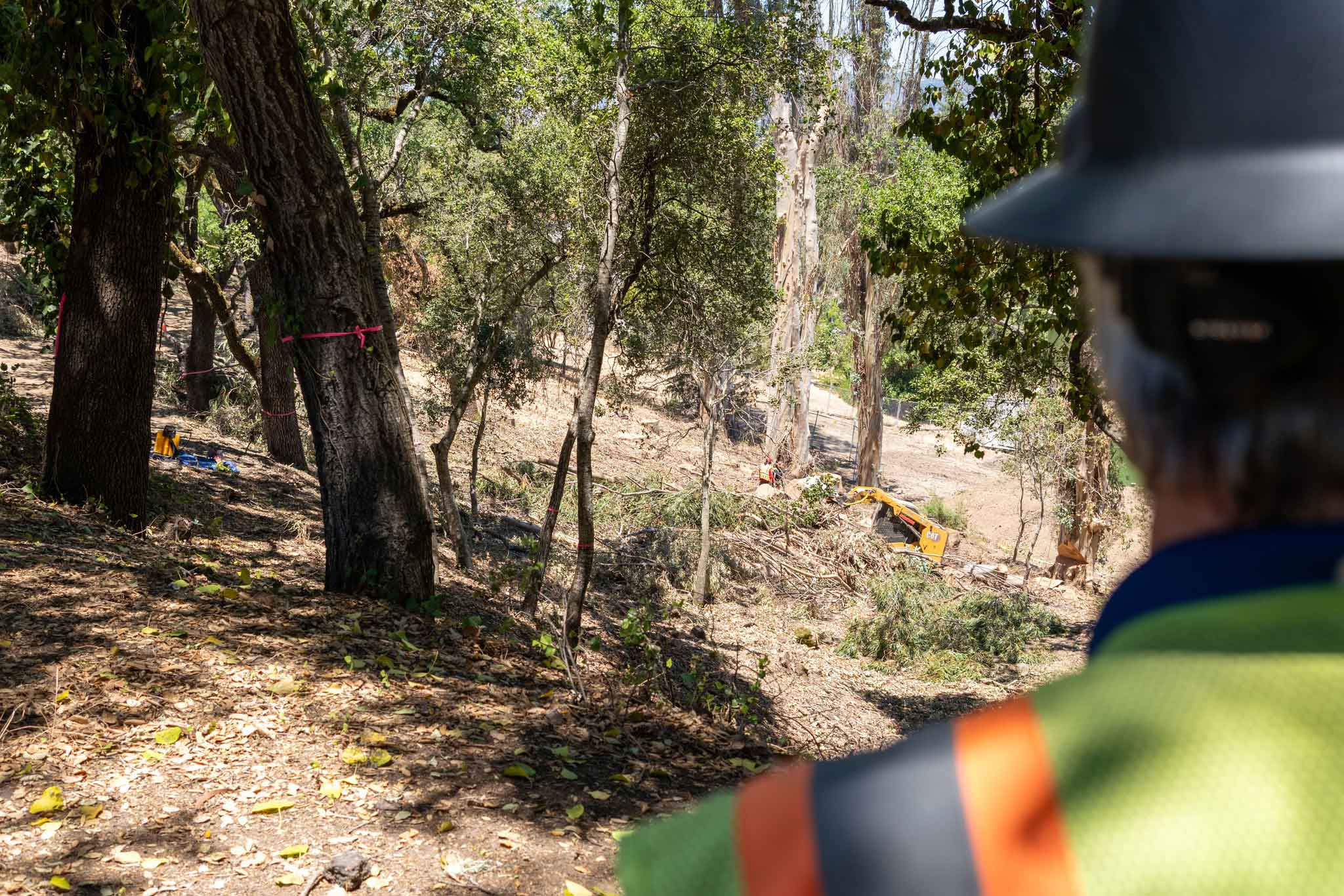
Community Wildfire Protection Plans (CWPPs)
Locally driven planning that helps communities understand wildfire risk, set priorities, and take coordinated action.
What is a Community Wildfire Protection Plan (CWPP)?
A Community Wildfire Protection Plan (CWPP) is a locally developed wildfire planning document that helps communities understand their wildfire risk, identify priorities, and prepare for current conditions, future risk, and impacts from fires, whether directly in their neighborhoods or nearby.
CWPPs address a wide range of concerns, including evacuation planning, emergency access, infrastructure protection, smoke impacts, ignition potential, fuels, and coordination during fires.
Jump to:
Why CWPPs Matter
CWPPs are more than planning documents– they are action frameworks that help communities understand their wildfire context and take coordinated, realistic steps to reduce risk over time.
Because no two communities face wildfire risk in the same way, CWPPs are designed to reflect local values, conditions, and priorities. Some communities may focus on forest health, fuels, and ignition risk, while others prioritize evacuation, access, smoke impacts, community design, or the effects of fires burning nearby.
CWPPs are tailored to individual communities, but they are not developed in isolation. Together, they are designed to work across neighborhoods and across jurisdictions, forming a coordinated approach to wildfire preparedness at the countywide scale. As climate changes and wildfire risk continues to evolve, CWPPs help communities address near-term threats while also supporting long-term landscape resilience—ensuring local priorities contribute to a cohesive, countywide effort.
What CWPPs Make Possible
- Improve coordination between residents, Fire Safe Councils, and fire agencies, and partners
- Identify and prioritize risk reduction actions that strengthen land and community resilience
- Strengthen evacuation planning and response readiness
- Address both direct and indirect impacts, including those from fires outside the community
- Track progress over time and adapt as conditions change
- Align local efforts with county, state, and federal wildfire strategies
Driven by communities with input by professionals, CWPPs provide a flexible, locally driven approach to preparedness, ensuring actions are realistic, relevant, and aligned with regional and countywide strategies.
- Countywide framework
- community led planning
- coordinated support & expertise
- From plans to actions
Napa County’s Community Wildfire Protection Plan establishes a shared planning foundation for wildfire preparedness across the county. It identifies countywide risks, priorities, and strategies that help ensure communities are working toward common goals while responding to local conditions.
Community CWPPs build from this framework—using it as a reference point for aligning priorities, coordinating with agencies, and supporting consistency across neighborhoods. This structure allows local plans to remain flexible and community-driven while contributing to a cohesive, countywide approach to wildfire resilience.
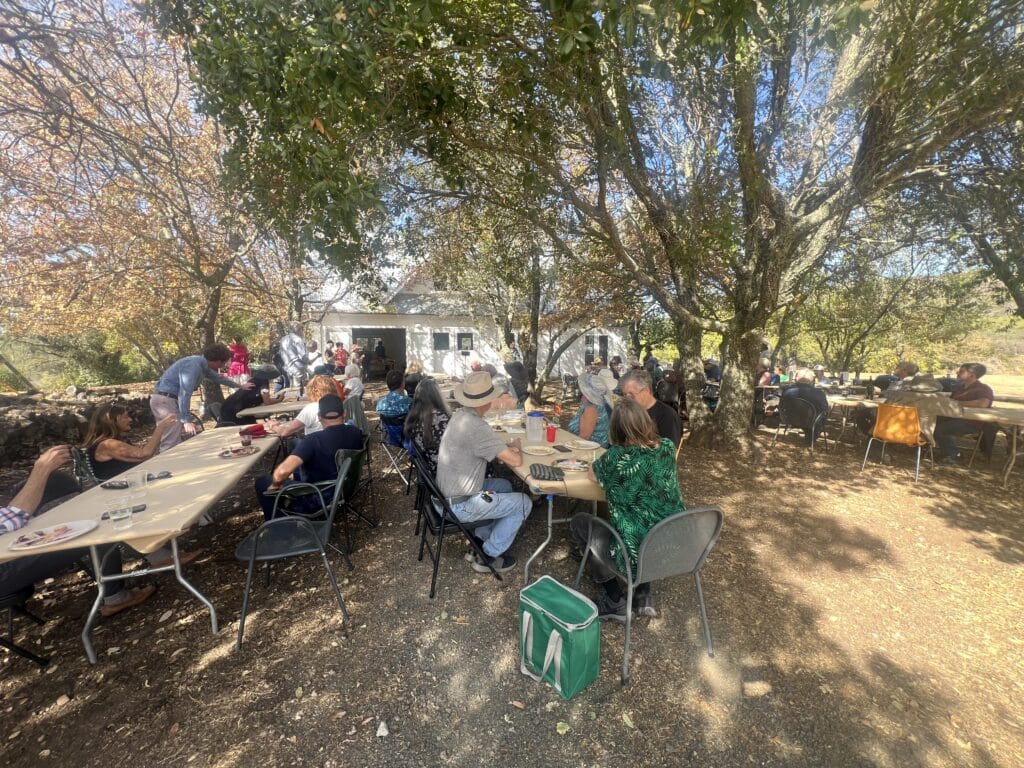
Community CWPPs are developed at the neighborhood or regional level through locally led processes. With Napa Firewise guidance, Fire Safe Councils work with their residents and partners to work together to identify priorities and risks and reflect the lived experience of each community.
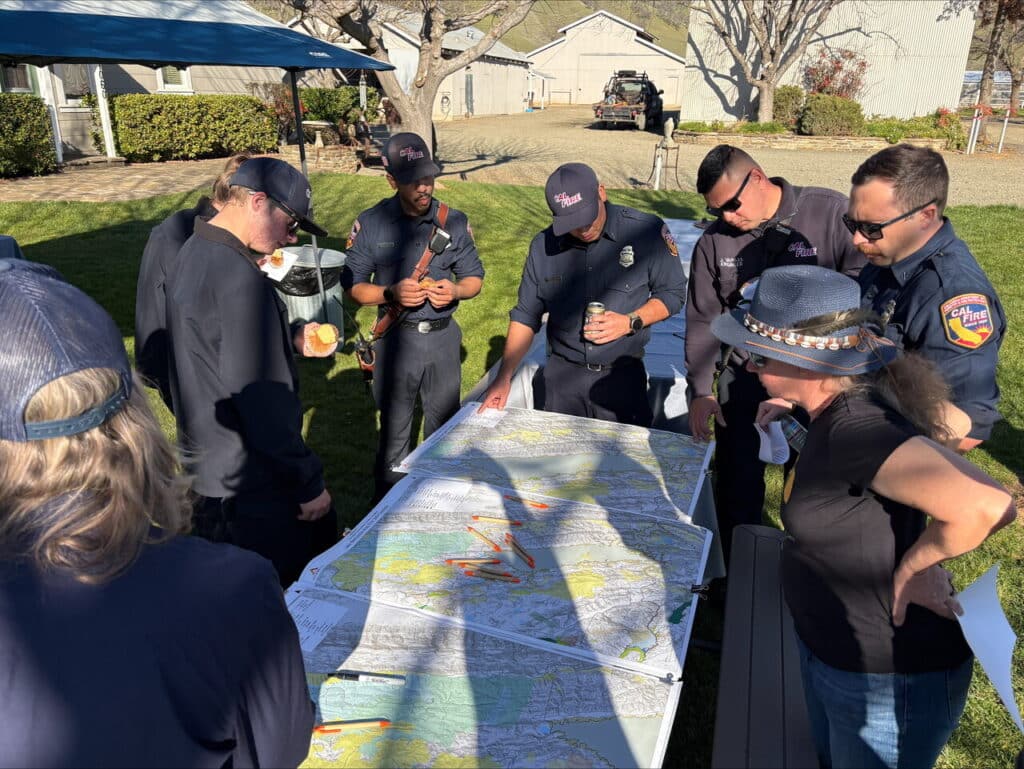
This process may include workshops, field visits, mapping sessions, and coordination with fire agencies and technical experts. While each CWPP looks different, all are grounded in community input and designed to address the specific landscapes, risks, and needs of the people who live there.
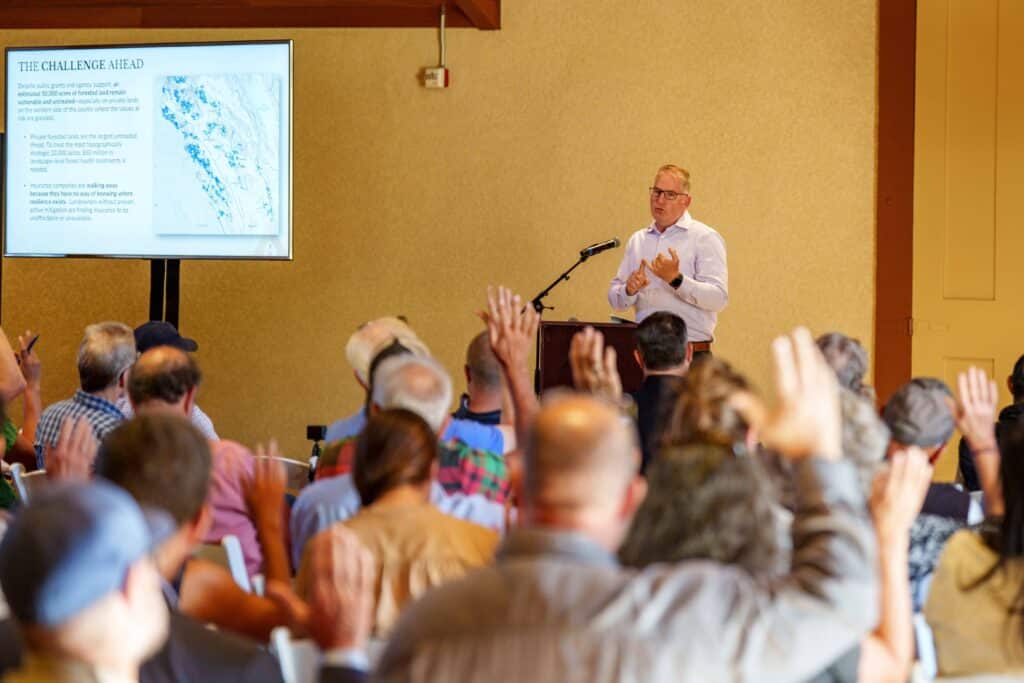
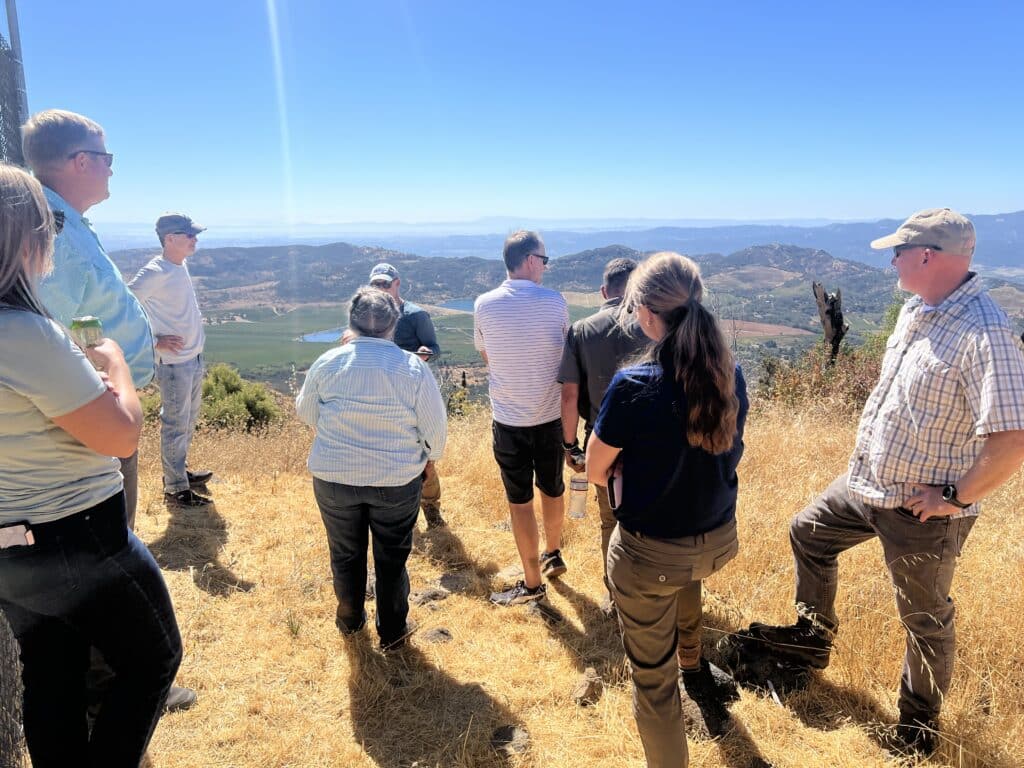
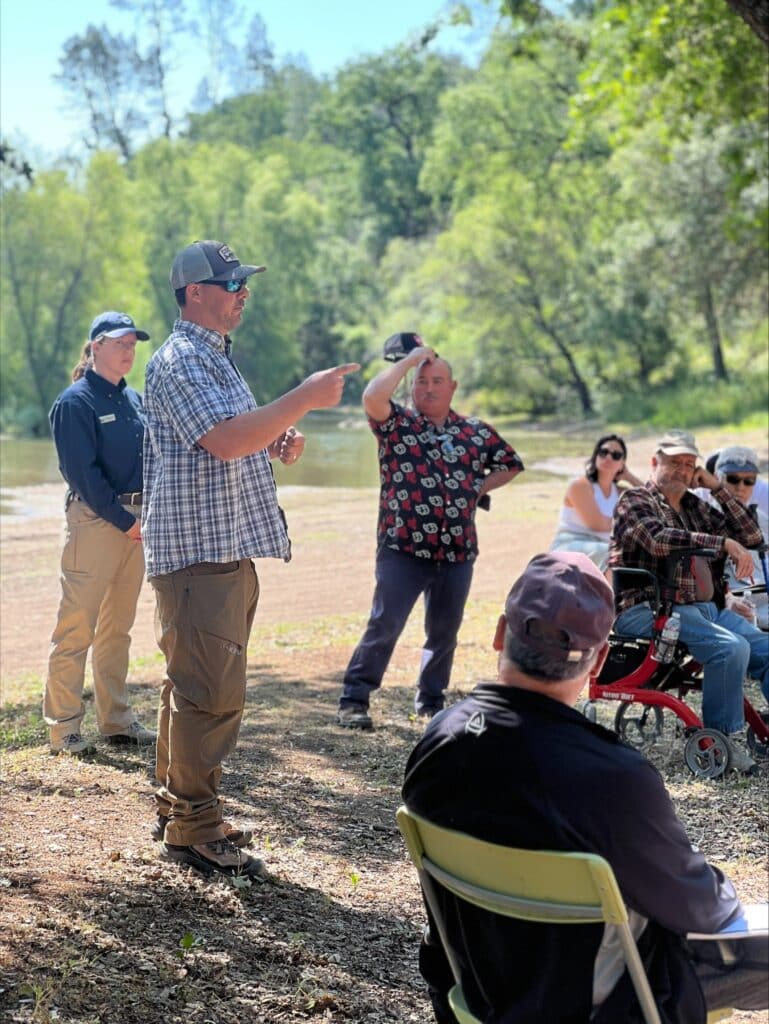
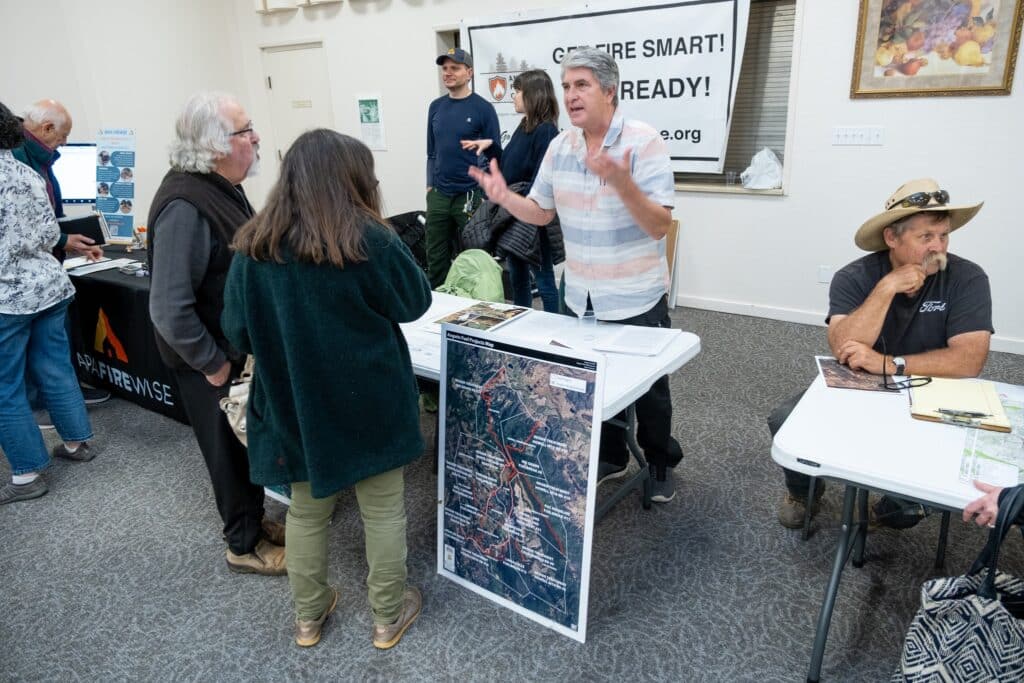
To ensure CWPPs work together across communities, Napa Firewise’s coordinated support helps provide consistency, technical rigor, and connection to partners.
This includes access to technical expertise, such as registered foresters and wildfire specialists; shared data and mapping resources; and coordination with agencies and stakeholders. This support helps local CWPPs maintain quality, align with broader priorities, and contribute meaningfully to countywide wildfire preparedness—without replacing local leadership or decision-making.
Our CWPP process follows guidance outlined in CAL FIRE’s CWPP Toolkit, ensuring Napa County’s planning efforts are aligned with state best practices while remaining grounded in local realities.
CWPPs are designed to inform action—not sit on a shelf. Together, they help communities and partners move from planning to implementation by clarifying priorities, supporting project sequencing, and strengthening readiness for funding and delivery.
By working across neighborhoods, CWPPs help guide land resilience investments, support coordinated implementation, and ensure projects complement one another at a landscape scale. This approach helps communities take action efficiently while contributing to a broader, countywide wildfire resilience effort.
Why CWPPs Matter for Funding
A recognized CWPP strengthens a community’s ability to compete for implementation funding.
Many state and federal wildfire resilience programs require alignment with an adopted CWPP to demonstrate local readiness, defined priorities, and coordinated planning. When Napa County and our communities have recognized CWPPs in place, it strengthens our ability to pursue implementation funding for fuels reduction, defensible space programs, evacuation improvements, forest health treatments, and community education.
In short: A strong CWPP increases our ability to act.
Recognized. Aligned. Built to Act.
Community Wildfire Protection Plans (CWPPs) are more than planning documents — they are the shared roadmap for wildfire resilience across Napa County.
For more than a decade, Napa Firewise has led or supported the development of over 20 CWPPs, including the Countywide CWPP. We work alongside Fire Safe Councils, local government, fire agencies, and residents to translate wildfire risk into clear priorities and coordinated action.
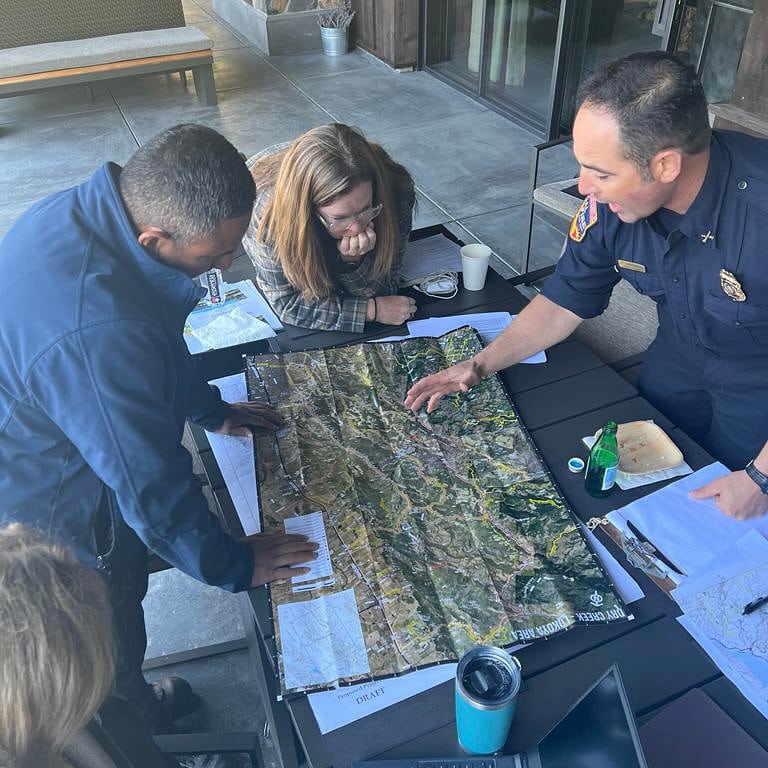
Each CWPP reflects community input and operational expertise, creating a trusted framework that guides investments, aligns partners, and focuses resources where they will have the greatest impact.
Before adoption, the CWPP is formally recognized by:
1
Napa County
Supervisor
2
Napa County /
CAL FIRE Unit Fire Chief
3
Napa Firewise
Board Chair
4
Fire Safe Council
Leadership
This cross-signature recognition ensures the plan is operationally informed and locally endorsed — positioned for implementation, not just documentation.
CWPPs in Napa County
Across Napa County, over 20 communities have developed CWPPs tailored to their local communities and needs. Each plan is intentionally aligned with Napa County’s Community Wildfire Protection Plan and local fire authority’s long-term strategies.
-
American Canyon
Not YET Developed
-
Berryessa South
Not YET Developed
-
Capell Valley
In Progress
-
Carneros
Not YET Developed
-
Circle Oaks
In Progress
-
Gordon Valley
In Progress
-
Hagen Oaks
Not YET Developed
-
Hennessey Rector
In Progress
-
Knoxville Blue Ridge
Not YET Developed
-
Lake Hennessey
In Progress
-
Napa East
Not YET Developed
-
Napa Valley
Not YET Developed
-
Napa West
Not YET Developed
-
Pope Valley
In Progress
-
Skyline Jamison
Not YET Developed
-
St. Helena
Not YET Developed
Looking to take the next step?
CWPPs are shaped by community voices and local leadership — here’s how to take part.
For Fire Safe Councils and Community Leaders
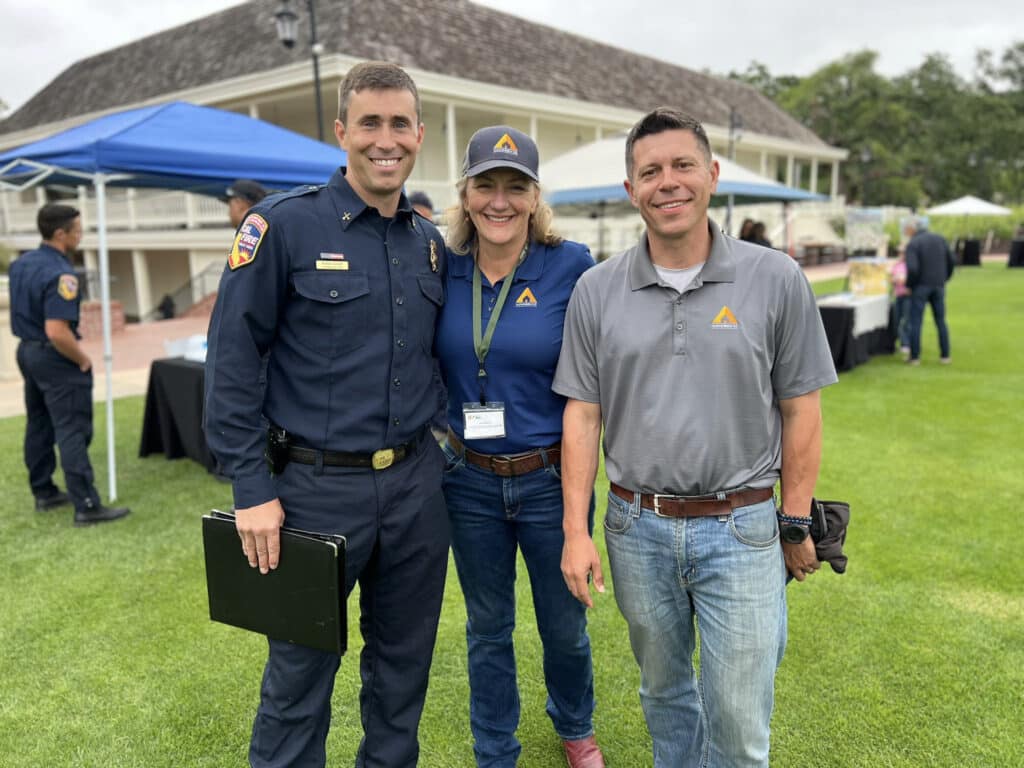
Interested in developing a CWPP or updating an existing plan? Napa Firewise can help guide the process.
For Residents and Partners
Learn how CWPP priorities are shaping preparedness efforts in your community—and how residents and partners can support local wildfire resilience.
For Agencies and Funders
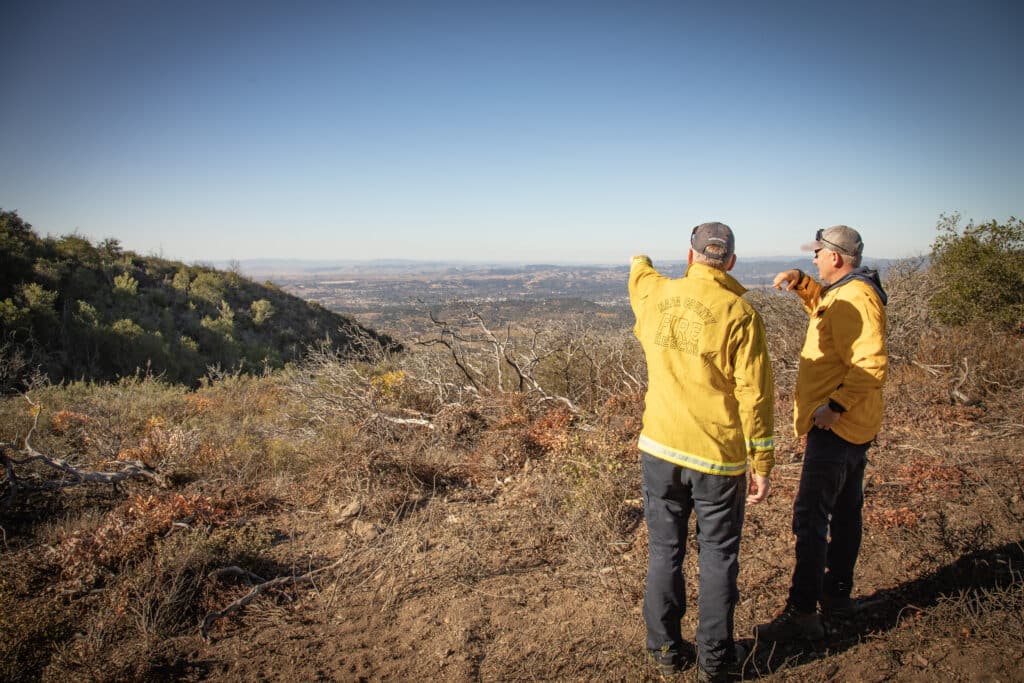
CWPPs provide a shared framework for coordination, project prioritization, and investment—supporting scalable, landscape-level wildfire resilience across Napa County.